
Choosing the right smartphone in 2026 is more confusing than ever. With hundreds of models, flashy marketing, and technical jargon everywhere, many people struggle to decide which phone is actually right for them.
Should you focus on the camera?
Is RAM really important?
Do you need a flagship phone?
If you’ve ever felt overwhelmed while comparing smartphones, you’re not alone.
The truth is, choosing the right smartphone isn’t about buying the most expensive device — it’s about understanding your needs, usage patterns, and priorities.
In this guide, we’ll break everything down in simple terms so you can confidently choose your next phone.
Why Choosing a Smartphone Feels So Difficult Today
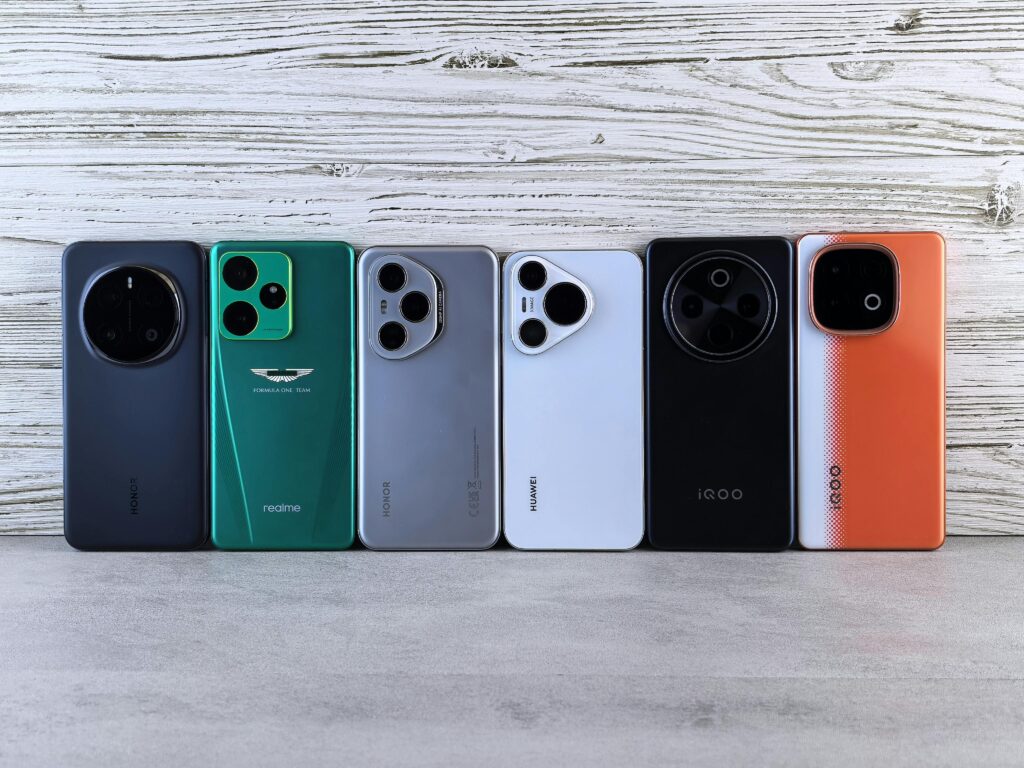
Modern smartphones are incredibly powerful. Even mid-range devices now offer features that once existed only in premium models.
But manufacturers also use:
- Complicated specifications
- Aggressive marketing
- Fancy buzzwords
This makes buyers think they need features they may never actually use.
👉 The goal is not to chase specs — it’s to buy smart.
How to Choose the Right Smartphone in 2026 (Step-by-Step)
Step 1: Identify Your Primary Usage
Before comparing phones, ask yourself:
What do I use my phone for the most?
Different users have different priorities:
✔ Social media & browsing
✔ Gaming
✔ Photography
✔ Work & productivity
✔ Video watching
✔ Casual everyday use
Your usage should drive your decision.
For Casual Users
If you mainly use your phone for:
- Calls
- YouTube
- Browsing
You do not need a flagship phone.
A good mid-range phone will work perfectly.
For Heavy Users / Gamers
If you:
- Play games regularly
- Multitask heavily
- Use demanding apps
You should prioritize:
✔ Processor performance
✔ RAM
✔ Cooling efficiency
Websites like Android Authority regularly publish smartphone performance reviews that can help you understand real-world usage.
For Photography Lovers
If camera quality matters most:
✔ Sensor quality
✔ Image processing
✔ Stabilization
✔ Low-light performance
Megapixels alone do not guarantee better photos.
Step 2: Understand Key Smartphone Specifications
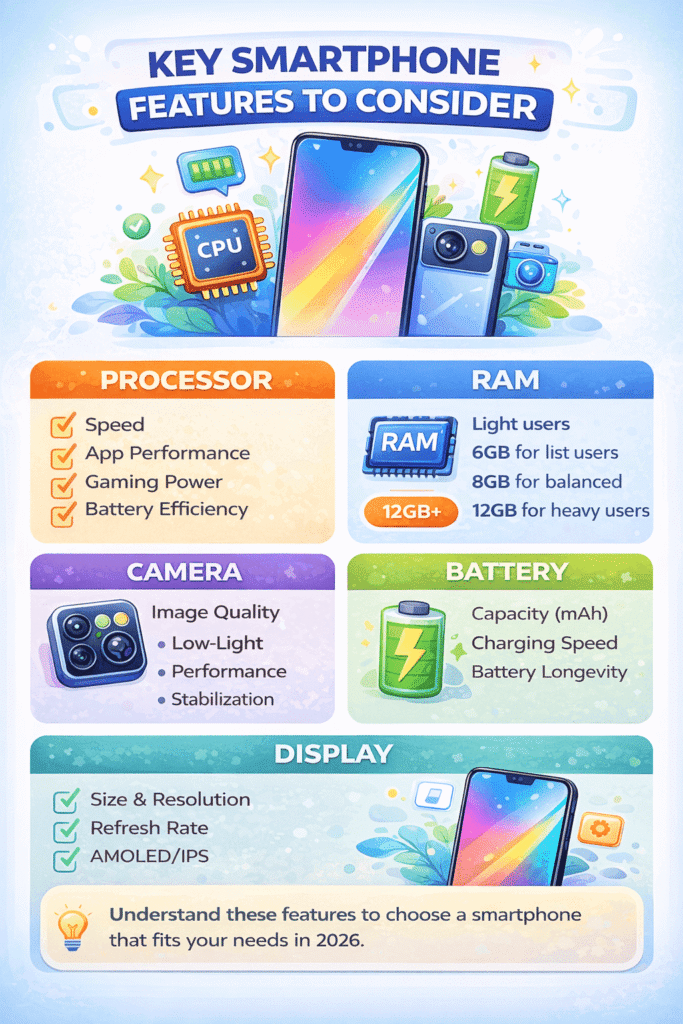
Let’s simplify the most important specs.
1️⃣ Processor (The Brain of the Phone)
The processor affects:
- Speed
- Gaming performance
- Battery efficiency
- Overall smoothness
Good processors in 2026 include:
✔ Snapdragon 7 / 8 Series
✔ MediaTek Dimensity Series
✔ Apple A-series chips
👉 A balanced processor is more important than excessive RAM.
2️⃣ RAM (Multitasking Ability)
RAM helps with:
- Running multiple apps
- Smooth switching
- Gaming stability
Recommended in 2026:
✔ Light users → 6GB RAM
✔ Average users → 8GB RAM
✔ Heavy users → 12GB+ RAM
More RAM ≠ Always better performance.
3️⃣ Storage (Space for Apps & Files)
Consider:
✔ Apps
✔ Photos
✔ Videos
✔ Downloads
Safe minimum today:
👉 128GB storage
If you record lots of videos → 256GB+
4️⃣ Battery Life
Battery depends on:
✔ Capacity (mAh)
✔ Processor efficiency
✔ Display type
Typical range:
✔ 4500–5000mAh → Solid daily use
Fast charging is a bonus, not a necessity.
Proper battery care can significantly extend lifespan. Even official guides like Apple’s Battery Resource offer useful maintenance insights.
5️⃣ Display Quality
Important factors:
✔ AMOLED vs LCD
✔ Refresh rate
✔ Brightness
For most users:
👉 AMOLED + 120Hz = Excellent experience
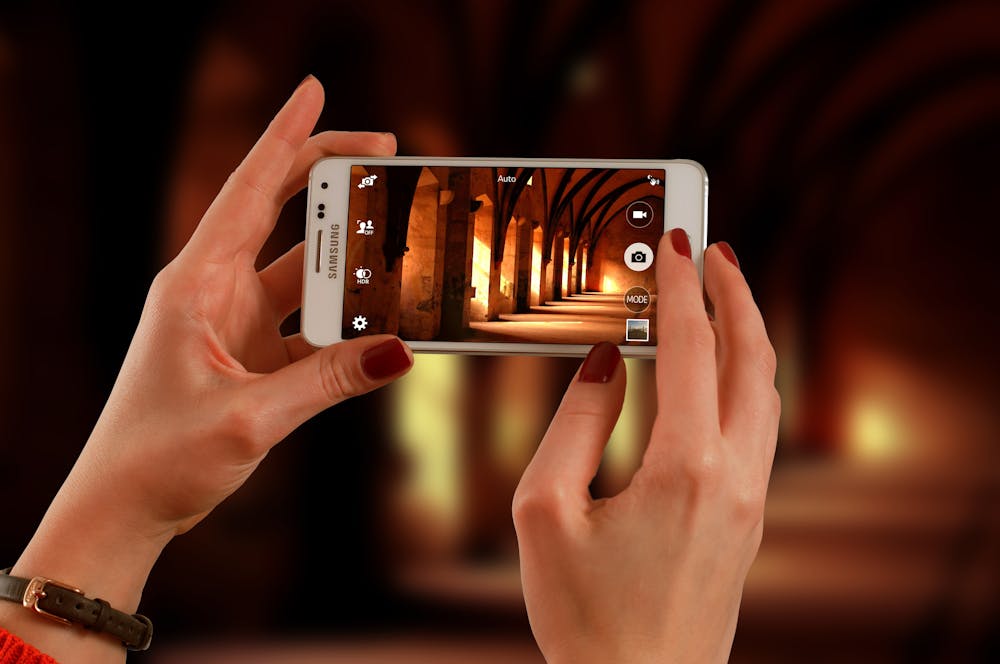
6️⃣ Camera Reality Check
Ignore hype like:
❌ “108MP Camera!”
Instead consider:
✔ Real-world photo quality
✔ HDR performance
✔ Video stabilization
✔ Low-light results
Software optimization matters more than raw numbers.
Step 3: Budget Planning (Very Important)
Most buyers overspend unnecessarily.
Budget Range Guidelines
✔ Entry-level → Basic tasks
✔ Mid-range → Best value
✔ Premium → Advanced features
👉 In 2026, mid-range phones offer the best price-to-performance ratio.
Unless you need extreme performance, avoid impulse upgrades.
Step 4: Features That Actually Matter
Many features sound impressive but are rarely used.
Truly Useful Features
✔ Good battery life
✔ Stable performance
✔ Reliable camera
✔ Software updates
✔ Comfortable design
Less Critical for Most Users
❌ Excessive megapixels
❌ Overhyped AI camera tricks
❌ Extreme charging speeds
❌ Fancy marketing labels
Step 5: Software & Updates
Often ignored, but crucial.
A phone with:
✔ Clean software
✔ Regular updates
✔ Security patches
…will age much better.
Brands known for decent updates:
✔ Apple
✔ Samsung
✔ Google Pixel
✔ Some mid-range Android brands
For Android users, understanding the ecosystem via Android’s Official Site can be surprisingly useful.
Common Smartphone Buying Mistakes
Avoid these costly mistakes:
❌ Buying only based on brand
❌ Chasing highest specs
❌ Ignoring real usage needs
❌ Falling for marketing hype
❌ Overspending unnecessarily
How Long Should a Smartphone Last?
With proper care:
✔ Mid-range phone → 3–4 years
✔ Premium phone → 4–5 years
Performance stability matters more than extreme power.
Final Thoughts
Choosing the right smartphone in 2026 is not about buying the most expensive device — it’s about making a practical, informed decision.
Focus on:
✔ Your usage
✔ Balanced specs
✔ Real-world performance
✔ Budget value
A smart purchase saves money and frustration.
About the Author
Hi, We are the founders of EveryTechHub. We share beginner-friendly guides on AI tools, blogging, and technology based on hands-on testing and real experience. 👉Read more about us.